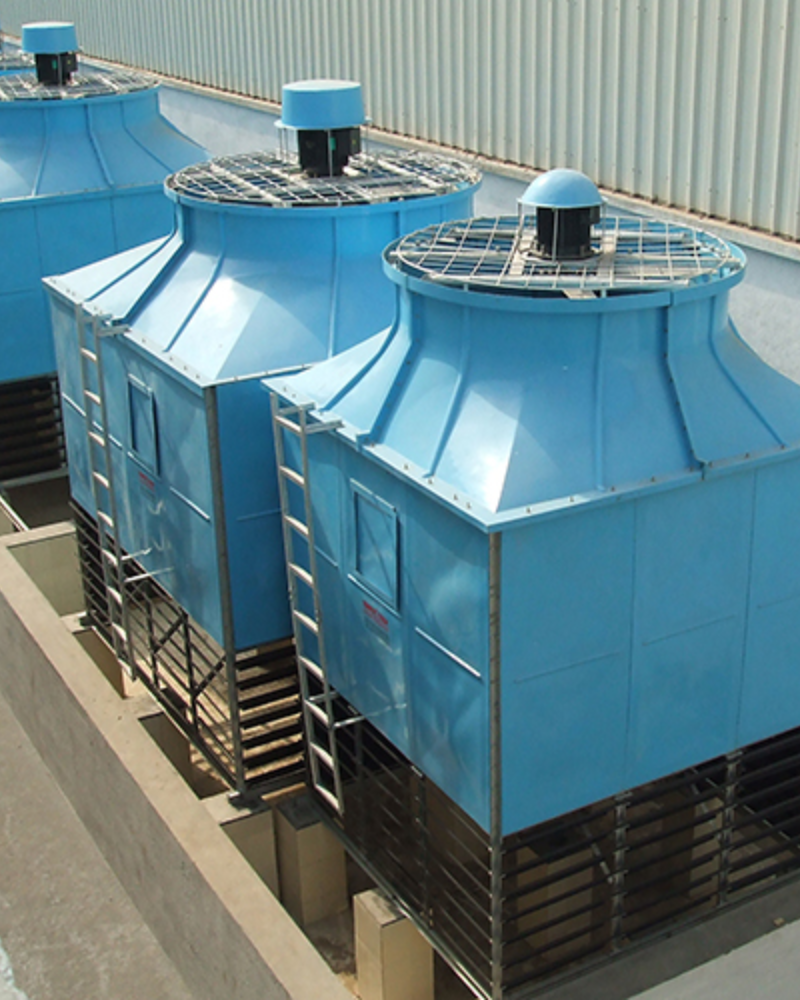
Cooling Towers
Optimizing thermal efficiency through precision engineering.
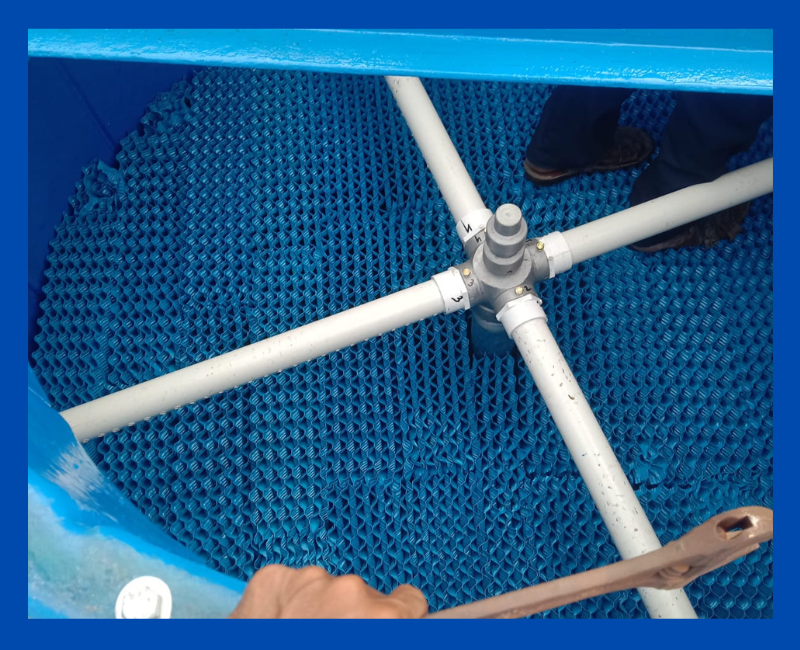
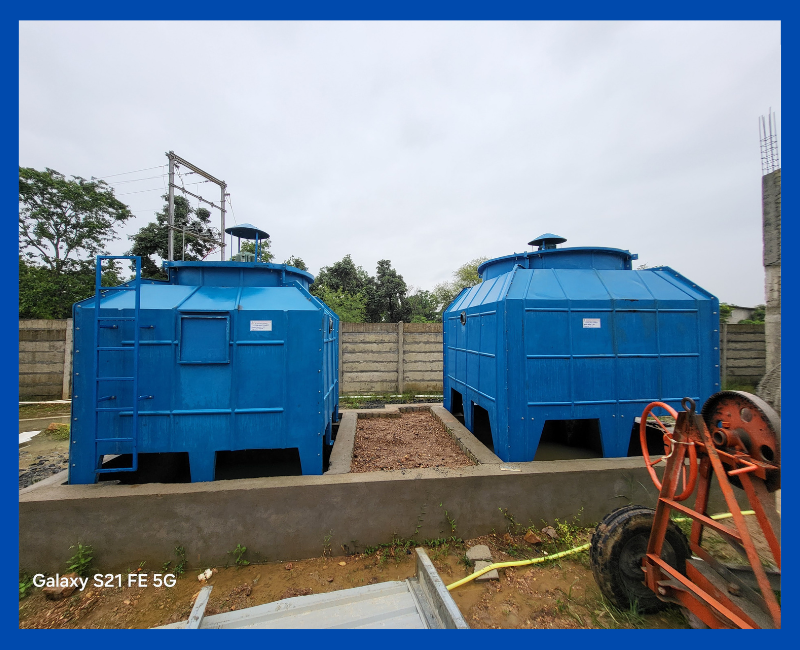
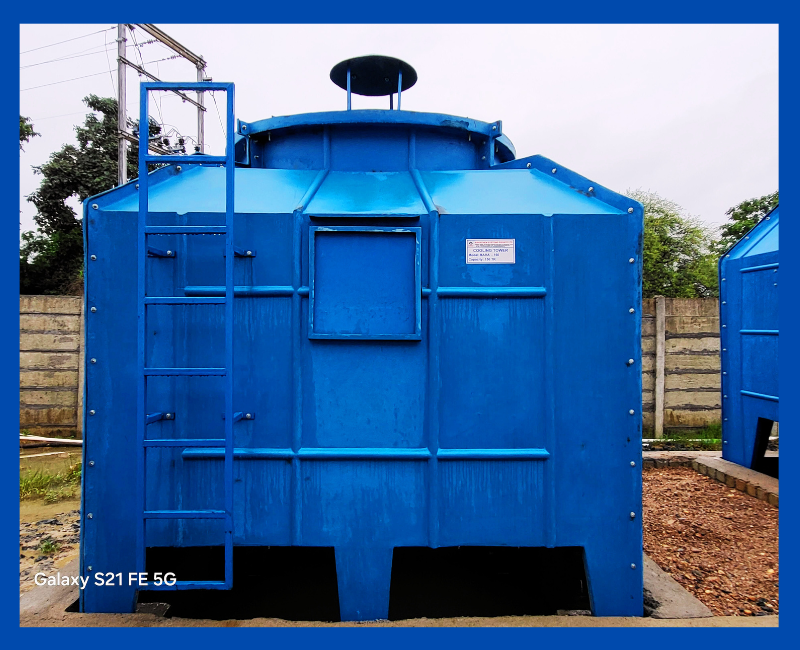
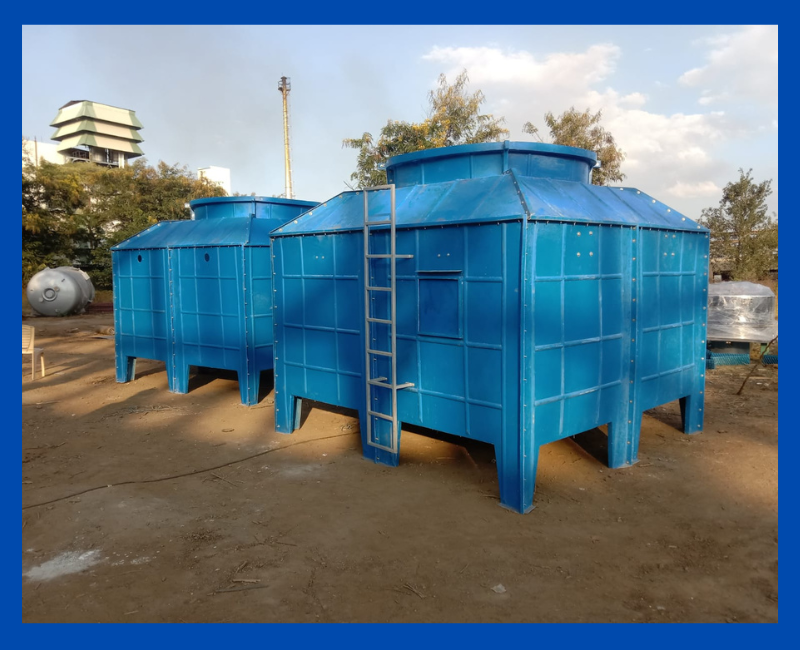
We manufacture, design & supply wide range of cooling towers for cooling
applications as per our customer's requirement. The primary use of large industrial
cooling towers is to remove the heat observed in the circulating water system used
in power plants, petrochemical industries, food processing units, oil industries,
automobile industries, pharma industries, chemical plants and other industrial
facilities. A common application for cooling towers is for providing cool water for
HVAC (Heating, Ventilating and Air Conditioning) and for industrial use. We supply
Natural draft and Forced draft cooling towers i.e. FRP & timber cooling towers.
🏗️ Features & Advantages
1. Precision-Engineered Thermal Design
Feature: Custom thermal calculations and design optimization for every unit.
Advantage: Ensures maximum heat rejection efficiency, reducing energy consumption and operational costs for your facility.
2. Versatile Draft Configurations (Natural & Forced)
Feature: Available in both Natural Draft and Forced Draft (FRP & Timber) designs.
Advantage: Allows for total flexibility based on your site’s space, power availability, and specific airflow requirements.
3. High-Grade Material Durability
Feature: Constructed using premium FRP (Fiber Reinforced Plastic) and treated Timber.
Advantage: Provides exceptional resistance to corrosion, UV exposure, and chemical wear, significantly extending the equipment's lifespan in harsh industrial environments.
4. Cross-Industry Customization
Feature: Tailor-made manufacturing for sectors ranging from Power Plants and Petrochemicals to Pharma and Food Processing.
Advantage: You receive a system specifically built for your industry’s unique water chemistry and temperature demands, rather than a "one-size-fits-all" solution.
5. Dual-Purpose Application (Industrial & HVAC)
Feature: Engineered for both heavy-duty process cooling and commercial HVAC systems.
Advantage: Provides a reliable source of chilled water that stabilizes indoor climates and ensures industrial machinery stays within safe operating temperatures, preventing downtime.